
June 2024

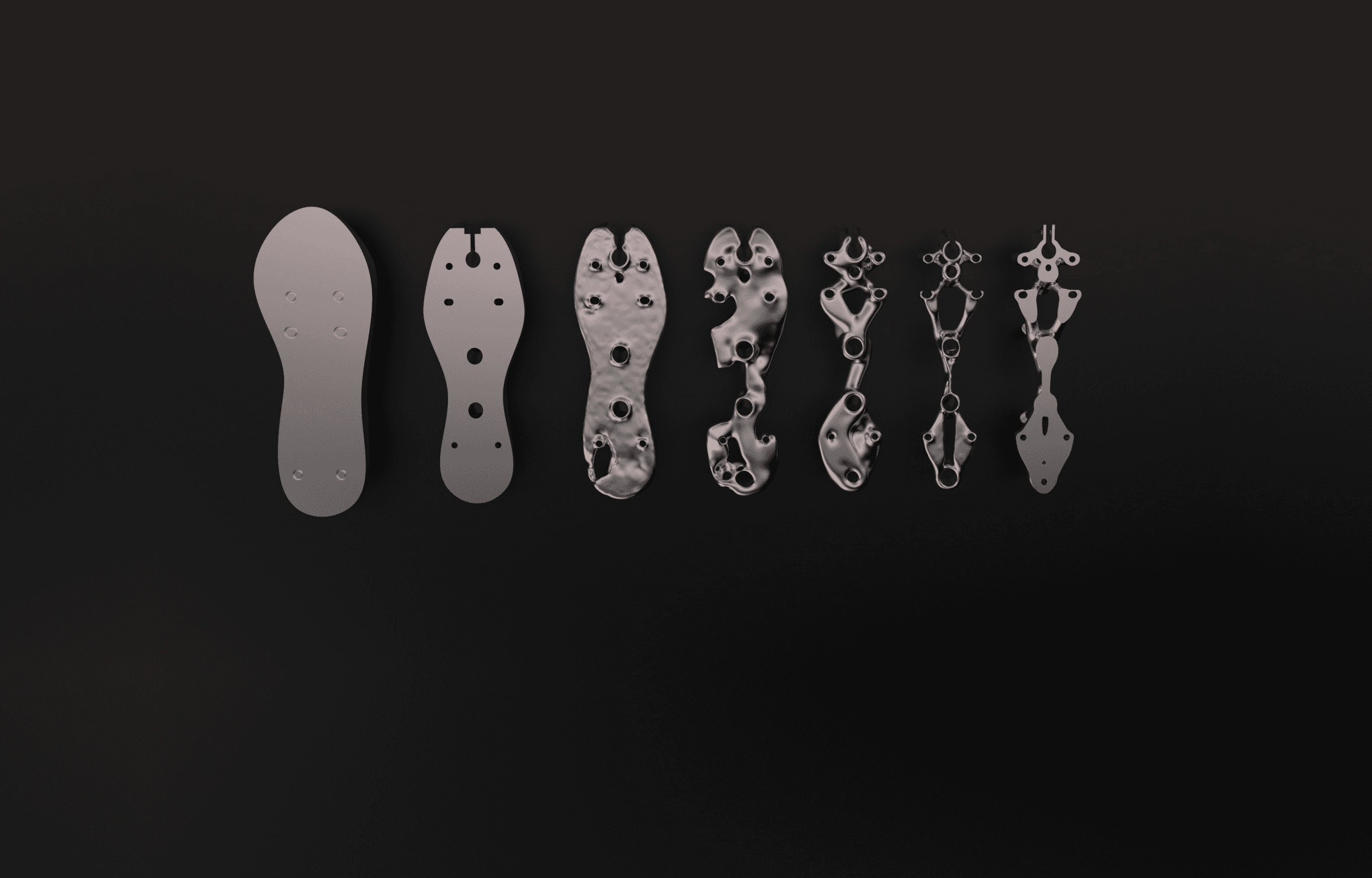
OKWAS was a project focused on the topological optimization of a roller hockey skate frame.
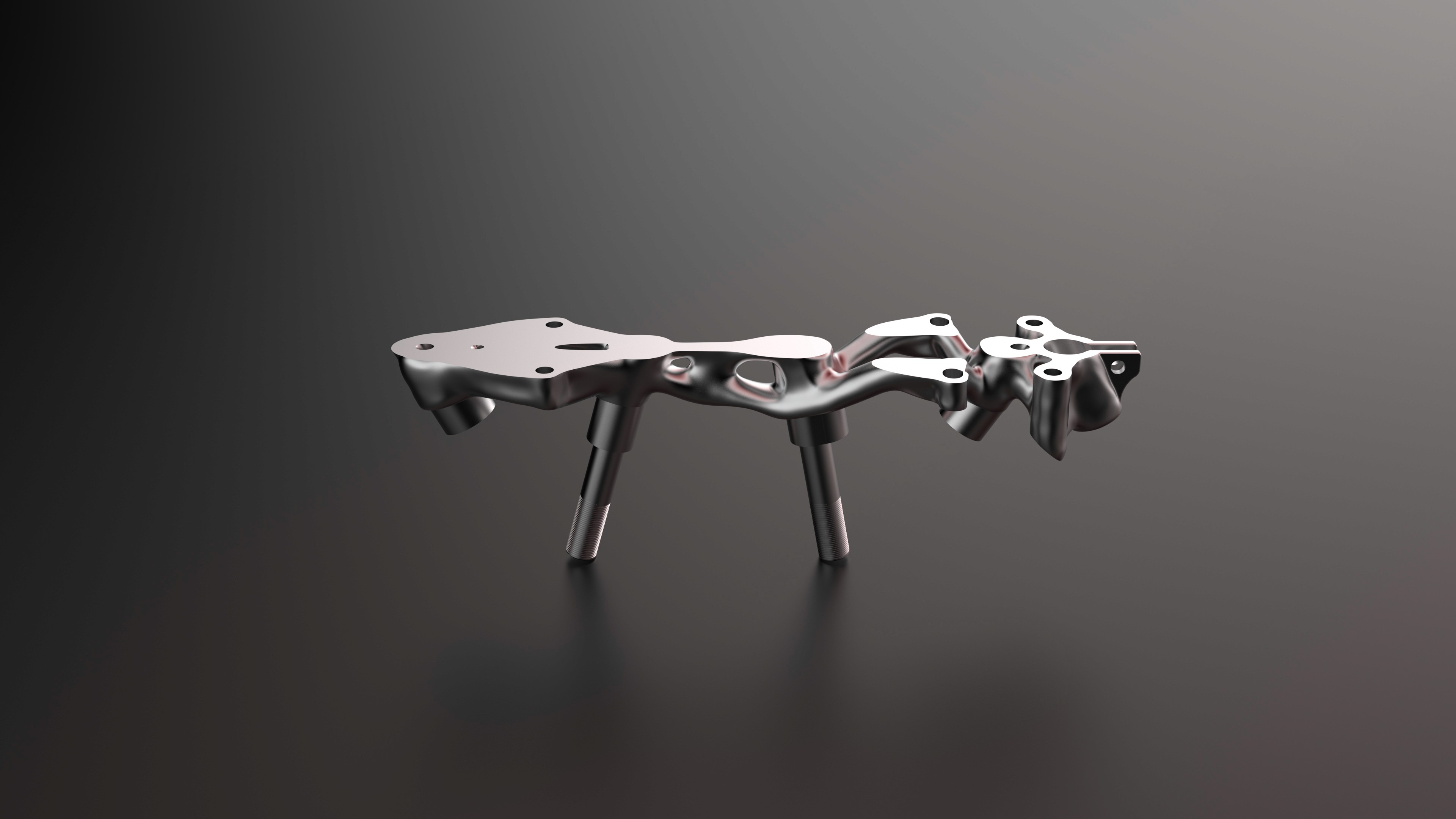
The goal was to maximize its strength while minimizing its mass. This project was a collaboration with IAM3DHUB, and the frame was designed to be produced using 3D metal printing technology. Specifically, the part was manufactured from aluminum, leveraging advanced additive manufacturing techniques to achieve the desired balance of durability and lightweight performance.
PROJECT BRIEFING
Redesign a Hockey Skate for Adult Players
Incorporate Topological Optimization
Withstand Identified Forces
Minimize Mass
3D Metal Printable
Compliance with Regulations
The goal was to create a product that effectively responded to the various loads identified and illustrated in the provided diagrams. The skate was designed for adult players of both genders. A complete redesign of the boot and the frame was carried out separately, creating two independent products that worked optimally together. The aim was to reduce the skate's weight while improving or maintaining the mechanical properties of the original design. The skate was capable of withstanding the applied load cases during gameplay. The design complied with the regulations of the Catalan Roller Hockey Federation. Additionally, the number of parts and materials in the skate was reduced to enable production through additive manufacturing, thereby optimizing the manufacturing process and reducing costs.

The decision to undertake the project on roller hockey skate frames was inspired by my amateur involvement in the sport, which I have been playing since I was a child. Roller hockey has always been one of my great passions, alongside industrial design. This personal connection motivated me to apply advanced design techniques such as topological optimization, generative design, and lattice structures to improve the equipment. My goal was to enhance the performance and functionality of the skate frames, making them more efficient and effective for players. By combining my love for the sport and my expertise in industrial design, I aimed to create a product that truly meets the needs of roller hockey enthusiasts.
LOAD CASES
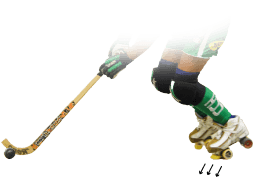
Start with Front Studs
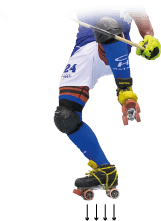
Four Wheels in Contact
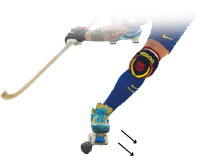
Shot Movement
Start with Front Studs: This scenario focuses on the initial push-off, where the player exerts force on the front studs of the skate. This load situation emphasizes the need for strength and stability in the front portion of the frame to handle the high-impact forces during acceleration.
Four Wheels in Contact: In this situation, all four wheels are in contact with the ground, supporting the player's weight. This load case requires the frame to distribute the player's weight evenly and maintain structural integrity under constant pressure during regular skating.
Shot Movement: This scenario involves the player taking a shot, with the weight shifted to one side. The frame must handle the dynamic and asymmetrical forces generated during this movement, ensuring balance and control while maintaining durability under these lateral loads.
ITERATIONS & SIMULATIONS
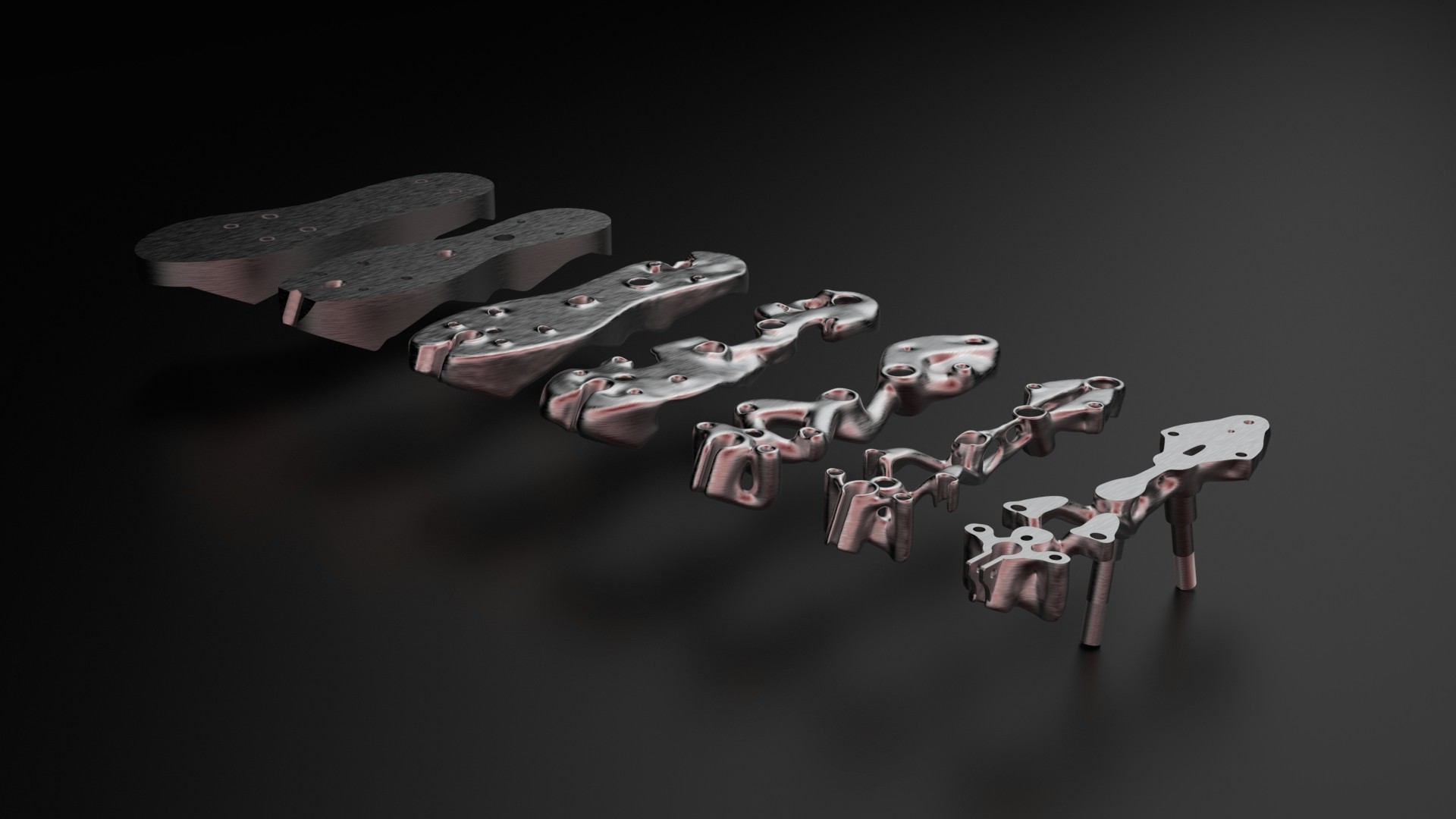
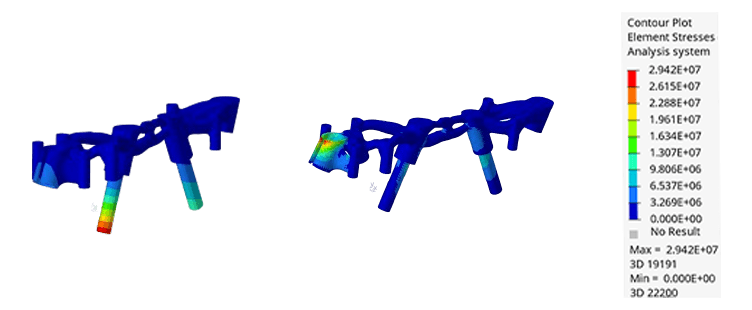
The static simulation of the skate frame component yielded satisfactory results. The maximum deformation experienced was 0.4 mm at one of the wheel mounts, which was acceptable given that 1600 N of force was applied to each of the lower bars. This demonstrated that the frame could handle significant loads without compromising its structural integrity. The maximum stresses recorded were around 29.42 MPa, providing us with a safety factor of 5.91 for our frame.
Considering the importance and cost of the component, we believed it was necessary to maintain a high safety factor to ensure its proper functionality. This approach guaranteed that the component would perform reliably under real-world conditions, meeting the safety and performance expectations required for high-performance roller hockey equipment.
FINAL RESULT
massons.joan@gmail.com